
You had a stressful day, and suddenly you are standing at the kitchen counter eating biscuits you did not even want. That is emotional eating, and it is one of the most common reasons people struggle with their weight and their relationship with food. This guide explains why emotional eating happens, how to tell it apart from real hunger, which strategies and therapies have research behind them, and when it is time to see a psychologist. It comes from Nutrifit Wellness Clinic in Gulberg Greens, Islamabad, where dietitians help people fix eating patterns that stress and mood keep pulling off course.
Emotional eating is using food to deal with feelings instead of to satisfy hunger. It often follows stress, boredom, sadness, or anxiety. Researchers note that it is not defined by how much you eat or how fast you eat. The food soothes briefly, but once the pleasure fades, the feeling that triggered it is still there. [Skip to Content] +2
| Physical hunger | Emotional hunger | |
|---|---|---|
| Where you feel it | In your stomach: emptiness, mild pangs, rumbling | As a craving, with no physical signs |
| What it wants | Almost any food | Often one specific comfort food |
| What happens afterward | Hunger settles once you eat | The feeling that triggered it remains |
Early signs of true hunger include mild pangs, a feeling of emptiness, and stomach rumbling, while psychological hunger is a desire to eat with no physical sign that your body needs food. Thirst can also feel like physical hunger, so drink water and wait a few minutes before deciding. healthlinehealthline
Emotional eating is rarely about willpower. It is a learned coping habit, and several mechanisms keep it going.
Eating in response to negative emotions can become a coping strategy that leads to unhealthy eating habits and weight gain. Emotions act as a stimulus that prompts eating, and the relief that follows reinforces the behavior. People can also learn to associate eating with specific emotions and social situations. Even small daily stresses can push someone toward food for comfort or distraction. pmc.ncbi.nlm.nih.gov +3
Local research points the same way. A cross-sectional study of 385 university students in Lahore found a significant link between body mass index and emotional eating, and the authors suggest emotional regulation as a target for obesity prevention. Daily stress, deadlines, and family pressure are familiar to most of us in Pakistan, so the pattern is easy to recognize. journalrmc
Psychological treatment works, though the effects are modest. A 2023 meta-analysis of 34 studies in adults with overweight or obesity found small average reductions in emotional eating (2.37%) and body weight (1.08%), and cognitive behavioral therapy (CBT) showed the most promise. A separate review found that behavioral treatments, especially cognitive-behavioral and mindfulness-based approaches, reduce emotional eating in the short term. Acceptance and Commitment Therapy and Dialectical Behavior Therapy also show promise, but few studies compare therapies against each other. eprints.whiterose.ac.uk +2
This matters for weight loss. Emotional eating is a barrier to long-term success in weight loss programs, and treating it effectively can improve outcomes. A meal plan alone often fails if the emotional trigger is never addressed. nih
| Psychologist or counselor | Dietitian | |
|---|---|---|
| Helps with | Feelings, thoughts, triggers, and coping skills | Eating patterns, meal structure, and food choices |
| Typical work | CBT, mindfulness, and acceptance-based therapy | Personalized meal plans and portion guidance |
| Best when | Eating is tied to stress, anxiety, or low mood | You need structure and a plan that fits your routine |
Counselors and therapists can help you deal with your feelings, while nutritionists and dietitians can help you identify eating patterns and get on track with a better diet. Many people need both. kidshealth
At Nutrifit Wellness Clinic, our dietitians build personalized diet plans, offer weight management programs, and provide support and motivation along the way. Therapy for emotional triggers should come from a licensed psychologist, so ask your doctor for a referral, and our team can coordinate your meal plan around it.
Occasional comfort eating is normal. Professional help is the right step when the pattern looks like this:
Binge eating disorder is a psychological condition that requires professional treatment. The frequency and severity of symptoms usually separate emotional eating from a full eating disorder. If you ever have thoughts of harming yourself, contact a doctor or emergency services immediately. healthlinewithinhealth
Emotional eating usually starts when food becomes a way to cope with stress, boredom, sadness, or anxiety. Over time, eating is reinforced because it brings brief relief. Learned links between certain emotions, places, or social situations and eating can keep the cycle going.
Ask whether you eat without physical signs such as an empty or rumbling stomach, crave a specific comfort food, or eat more than usual when upset. If the feeling returns once the food is gone, emotional eating is likely. A week of notes on mood and meals makes the pattern clearer.
Not by itself. Emotional eating is common, while binge eating disorder involves feeling out of control and frequently eating large amounts, even when not hungry. Frequency and severity usually separate the two. If the second pattern sounds familiar, seek professional help from your doctor or a psychologist.
Yes. Reviews find that cognitive behavioral therapy shows the most promise for reducing emotional eating, and mindfulness-based approaches and Acceptance and Commitment Therapy also show benefit. A psychologist helps you understand triggers and build new ways to cope. Trial effects are modest, so expect gradual change.
A dietitian helps you spot eating patterns, plan regular balanced meals, and avoid extreme hunger, which makes food choices less selective. A dietitian does not treat the underlying emotions. Many people benefit from a dietitian working alongside a psychologist or counselor.
Emotional eating is a learned way of coping with feelings, not a character flaw. Check whether you are physically hungry, eat regular meals, track your triggers, and practice mindful eating. If stress, anxiety, or low mood drive most of your eating, therapy such as CBT has the best evidence behind it, and a dietitian can build the meal structure that supports it. If you feel out of control around food, see a psychologist or your doctor soon. Book a consultation with the dietitians at Nutrifit Wellness Clinic in Gulberg Greens, Islamabad, and build an eating plan that fits your life and your stress.
This article is for general information and does not replace advice from your doctor, psychologist, or dietitian.
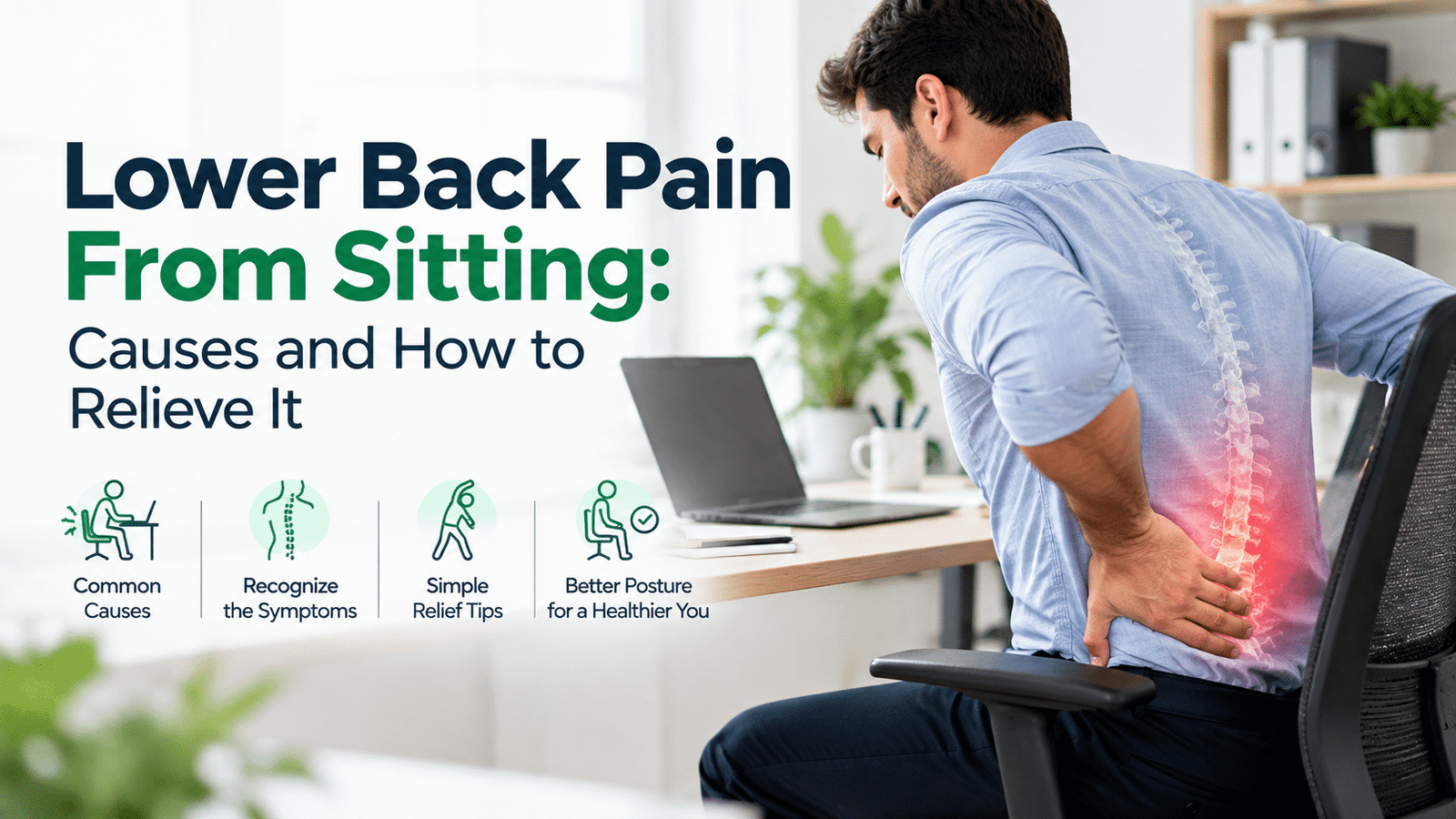
If your lower back aches by mid-afternoon at your desk, you are far from alone. Lower back pain from
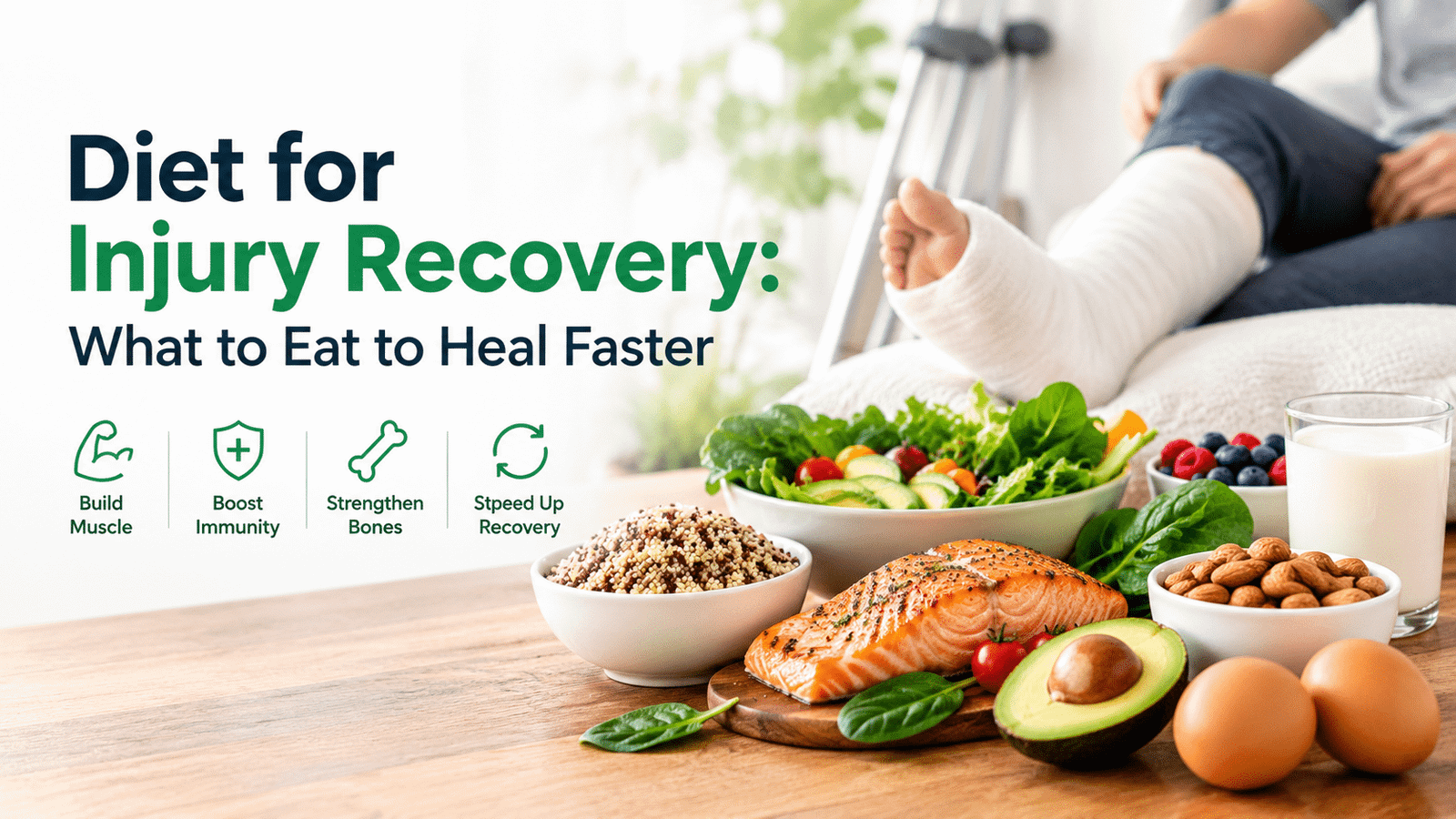
A sprained ankle, a torn muscle, or a fracture slows you down, and what you eat affects how well
